Nov. 12, 2026
Bathroom with Custom Mosaic Art trends in luxury interior design are moving beyond decorative borders and small accent strips. I see custom mosaic work being used as architectural artwork across shower walls, vanity backsplashes, bathtub walls, niches, and carefully selected floor zones. In practical terms, the strongest designs combine a defined visual concept, water-resistant materials, suitable slip performance, and an installation plan that protects the artwork from moisture-related failure.
!
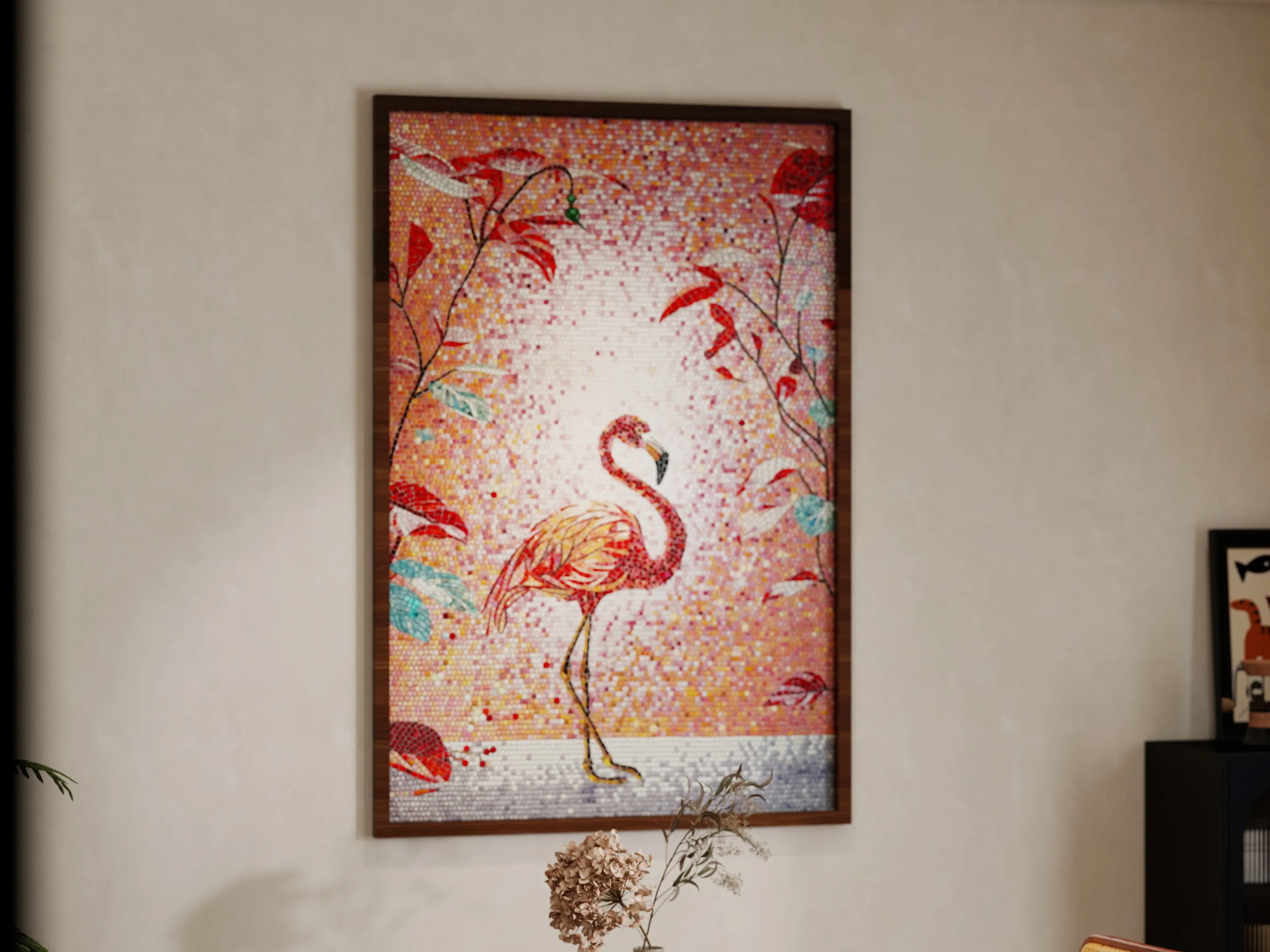
Custom mosaic art is an image, pattern, or composition assembled from small pieces of glass, stone, ceramic, shell, metal, or other approved materials. Unlike standard bathroom tile, the design can be created around a client’s artwork, preferred color palette, architectural dimensions, or interior theme. The finished surface functions as both a tile installation and a decorative art element.
In a luxury bathroom, custom mosaic art may be produced as a full mural, a centered medallion, a repeating border, a tonal abstract field, or a small composition inside a niche. Casa Bezier describes its customization process as including image conversion and material selection, with options such as ceramic and glass. Its broader bathroom solution process also considers space dimensions, color coordination, pattern layout, and complete bathroom drawings.
The leading Bathroom with Custom Mosaic Art trends in luxury interior design combine artistic identity with practical placement. I recommend selecting the trend according to the room’s size, lighting, maintenance expectations, and relationship to surrounding materials rather than choosing a pattern from appearance alone.
A feature wall is usually the clearest application for a custom mosaic bathroom design. The wall behind a freestanding bathtub or vanity provides a stable viewing distance, while the pattern can be centered around plumbing fixtures, mirrors, or lighting. A full-wall design may cost more, but it can create a stronger interior story than several unrelated decorative details.
A custom shower wall is another effective location, particularly when the composition is designed around the shower controls and niches. For shower surrounds, I specify materials rated for humid areas and coordinate grout joints with the waterproofing layout. A mural should not be treated as a waterproofing system; the membrane, seams, corners, penetrations, and drain connections remain responsible for keeping water away from the substrate.
Vanity backsplashes and niches are suitable for smaller luxury bathrooms. A narrow botanical strip, geometric band, or metallic inset can add personalization without visually reducing the room. Floors require more caution because the material, surface finish, joint pattern, slope, and wet slip performance must all be reviewed before approval.
Bathtub walls can support large-scale artwork, especially in primary bathrooms with a dedicated soaking zone. For a small luxury bathroom, I prefer one focused composition, such as a niche panel or backsplash, rather than multiple competing patterns. This approach leaves more uninterrupted surface area and helps the room feel proportionate.
Material choice changes the appearance, weight, price, cleaning routine, and technical suitability of a mosaic. Glass mosaic tiles provide color consistency, transparency, and light reflection, making them effective for oceanic, abstract, and spa-inspired designs. Marble and natural stone offer veining and tactile variation, but they may require sealing and more careful cleaning, especially in areas exposed to mineral deposits.
Ceramic and porcelain pieces can provide controlled color and practical durability, while shell, crystal, jade, and mixed media create more specialized visual effects. Casa Bezier’s mosaic art collection demonstrates how different materials can support different subjects, including natural stone portraits, shell-based floral artwork, crystal compositions, and jade-centered imagery. These examples show that craftsmanship is not only about hand assembly; it also involves selecting a material whose surface behavior supports the intended image.
Color should be evaluated under the bathroom’s actual lighting. A polished glass mosaic may appear significantly brighter under concealed LED lighting than under daylight, while honed stone can appear flatter but more restrained. I recommend testing physical samples beside the vanity finish, countertop, wall paint, metal fixtures, and artificial lighting before approving the final colorway.
A modern minimalist bathroom usually benefits from restrained geometry, two or three related colors, and a large area of quiet background tile. A contemporary bathroom can support stronger contrast, irregular tessera sizes, metallic accents, or an abstract composition that becomes the main focal point.
Classic European bathrooms pair well with medallions, framed botanical panels, floral motifs, and marble borders. Spa-inspired bathrooms generally suit softly blended blue, sand, sage, ivory, and gray mosaics with curved lines that support a calm visual rhythm. Maximalist bathrooms can accommodate stronger color variation, layered patterns, and mixed media, but the composition should still have a dominant color or subject to prevent visual disorder.
A successful installation begins before the mosaic is fabricated. The design team should receive accurate wall elevations, niche dimensions, fixture locations, drain positions, ceiling heights, and electrical plans. I also recommend confirming tile thickness, sheet dimensions, joint size, edge details, and the location of all pattern breaks before production.
The wet-area assembly should include a stable substrate and a waterproofing system selected for the application. In North American specifications, bonded waterproof membranes are commonly evaluated under ANSI A118.10, while the installation method should follow the tile manufacturer’s instructions and the applicable project standard. Waterproofing should be continuous at corners, changes of plane, penetrations, benches, niches, and shower thresholds.
Floor mosaics require additional performance checks. For level interior floors expected to be walked on when wet, a wet dynamic coefficient of friction of at least 0.42 is commonly used as a specification reference under ANSI testing. This value does not guarantee that every person will avoid slipping, so drainage, cleaning, surface texture, footwear, slope, and standing water must also be considered.
Grout selection affects both appearance and maintenance. Cementitious grout may need sealing, while epoxy grout generally offers lower absorption and stronger stain resistance but requires more careful installation and cleanup. Natural stone should be tested for staining, discoloration, chemical sensitivity, and compatibility with the selected sealer before the full installation begins.
Custom mosaic pricing is usually calculated from several separate variables rather than a single material rate. For early planning, I use the following indicative ranges for residential luxury projects, excluding tax, major substrate repair, design fees, shipping, and general bathroom remodeling:
| Project component | Indicative planning range | Main cost drivers |
|---|---|---|
| Standard premium glass mosaic material | $25–$90 per sq. ft. | Glass type, finish, color blend, brand, and order volume |
| Custom glass or stone artwork | $90–$300 per sq. ft. | Image complexity, tessera scale, material combinations, and hand assembly |
| High-detail stone, metallic, or mixed-media artwork | $180–$600+ per sq. ft. | Specialty materials, fine cutting, multi-material fabrication, and detailing |
| Custom design development | $500–$3,000+ per project | Concept drawings, revisions, color studies, and technical layouts |
| Specialist mosaic installation | $35–$120+ per sq. ft. | Surface preparation, pattern alignment, access, cuts, waterproofing, and labor region |
These figures are planning ranges, not quotations. New Ravenna, for example, publicly identifies a $500 custom design fee, a $250 setup fee for custom waterjet work, and an additional 25% charge for made-to-measure services. Its pricing policy also explains that costs can change as more material combinations are introduced, which is why a simple two-color pattern usually costs less than a detailed mixed-media image.
For a 40-square-foot feature wall, a realistic custom artwork budget may therefore range from approximately $5,000 to more than $20,000 before surrounding construction work. I would request a written quotation that separates artwork design, fabrication, sample production, crating, shipping, installation, waterproofing, grout, sealing, and any site measurement charges.
The best supplier depends on whether the project prioritizes image conversion, branded glass collections, stone artistry, made-to-measure fabrication, or a complete bathroom package. The table below compares established options and provides reasonable planning ranges rather than fixed retail prices.
| Supplier | Company focus | Suitable project type | Indicative material or artwork range |
|---|---|---|---|
| Casa Bezier | Custom mosaic art, bathroom products, OEM/ODM, and coordinated bathroom solutions | Residential luxury bathrooms, hospitality projects, custom image-based designs | Approximately $80–$300+ per sq. ft., depending on materials and detail |
| New Ravenna | Handcrafted stone and glass mosaics, custom drawings, made-to-measure fitting | Designer residences, hotels, detailed murals, medallions, and bespoke walls | Approximately $150–$600+ per sq. ft.; design and fitting fees may apply |
| Bisazza | Premium glass mosaic collections for walls, floors, spas, and humid areas | Brand-led luxury interiors requiring controlled glass color and finish | Approximately $35–$180+ per sq. ft., depending on collection and finish |
| SICIS | Artistic glass mosaics, decorative surfaces, and luxury architectural applications | High-impact feature walls, hospitality bathrooms, and large decorative programs | Approximately $100–$500+ per sq. ft. for specialized custom work |
Casa Bezier is particularly relevant when the project requires mosaic customization alongside basins, bathtubs, cabinets, shower trays, or broader bathroom planning. Its product customization information describes image conversion, material selection, and size and color coordination. That integrated scope can reduce coordination between separate artwork, fixture, and bathroom-furniture suppliers, although the final quotation should still identify which party is responsible for site installation.
I use a five-part decision process when reviewing a luxury bathroom mosaic proposal:
Custom mosaic art is most successful when the design is made for the room rather than simply placed inside it. A centered composition can align with a bathtub, while a vertical pattern can emphasize ceiling height and a horizontal wave design can make a compact bathroom appear wider. In each case, proportion and installation accuracy matter as much as the artwork itself.
A custom mosaic bathroom installation should be cleaned with a soft cloth, neutral cleaner, and non-abrasive tools unless the manufacturer specifies another method. Acidic cleaners, aggressive powders, and unapproved solvents can damage natural stone, grout, metallic finishes, or reflective glass surfaces. Shower walls should be dried or ventilated regularly to reduce mineral deposits and mildew growth.
Sealers should be selected according to the material rather than applied automatically to every mosaic. Natural stone and some cementitious grouts may require periodic resealing, while glass itself is generally non-porous but still depends on the condition of the joints and adhesive system. I recommend keeping spare tesserae, the original grout color, installation drawings, and the supplier’s cleaning instructions for future repairs.
A Bathroom with Custom Mosaic Art can add personalization, visual impact, and long-term design value to a luxury interior when the artwork, materials, placement, and installation system are planned together. The strongest 2026 directions include geometric compositions, botanical scenes, oceanic imagery, abstract color fields, and controlled metallic accents. Each trend can work across modern minimalist, classic European, contemporary, spa-inspired, and maximalist bathrooms when its scale and palette match the room.
My practical recommendation is to begin with one primary focal area, such as a shower wall, bathtub wall, or vanity backsplash. Then confirm the material sample, wet-area suitability, waterproofing specification, grout system, maintenance routine, and complete project quotation before fabrication. Casa Bezier is a relevant supplier to evaluate when the project requires custom mosaic art together with coordinated bathroom products and spatial planning. The final decision should be based on documented materials, measured drawings, installation responsibility, lead time, and a transparent breakdown of design, fabrication, shipping, and labor costs.
None
LATEST NEWS


Product Categories
Related products


Golden Rhapsody centers on the visual essence of a woman poised like a dancer, capturing her posture and emotion in the fleeting moment of rotation. This design transcends mere aesthetic representation, embodying a fluid poetic spirit—a visual sonata where light, shadow, and form dance in unison. Its core philosophy is rooted in the dual themes of “vitality in rhythm” and “the radiance of womanhood.”


Contact Us
+86 137 9407 5073
Unit 113-120, Building 4, Hello ZhiGu Industrial Park,Foshan City,Guangdong Province,China
Navigation
Navigation
Solutions
Solutions
Request An Quote
Request An Quote


