Nov. 12, 2026
Choosing the right supplier for a bathroom with Custom Mosaic Art requires more than comparing attractive patterns. I recommend evaluating six areas in sequence: bathroom suitability, material performance, customization control, technical support, quality assurance, delivery reliability, and total project value. A supplier should be able to explain how the mosaic will perform in a humid room, prove the design through samples or drawings, document production checks, and coordinate the handoff to installation.
For this guide, I use Casa Bezier as a practical reference because its published information covers custom mosaic design, bathroom planning, OEM/ODM production, material choices, design revisions, manufacturing, inspection, and shipment. The same evaluation method can also be applied to other custom mosaic bathroom suppliers.
!
When I evaluate a custom mosaic bathroom supplier, I first separate visual quality from technical suitability. A beautiful design is not enough if the material is unsuitable for constant humidity, the backing system is unclear, or the supplier cannot provide installation guidance. I also check whether the company can adapt artwork to bathroom dimensions rather than simply selling standard panels.
I look for three basic capabilities before requesting a final quote:
A useful scoring model assigns 30 points to material and bathroom performance, 25 points to design and proofing, 20 points to production quality, 15 points to delivery and support, and 10 points to commercial value. I would not select a supplier with a strong portfolio but a score below 20 out of 30 for technical suitability.
I begin by identifying exactly where the custom mosaic will be installed. A vanity backsplash, dry bathroom wall, shower wall, bathtub surround, niche, and floor each create different requirements for moisture exposure, cleaning, impact, slip resistance, movement, and access for repairs. I record the wall or floor dimensions, substrate type, lighting conditions, drainage locations, ventilation, and whether the area will receive direct water spray.
I also decide whether the project requires a full mural, an accent panel, a border, a geometric pattern, or a small custom insert. A smaller bathroom may benefit from a focused artwork panel rather than a full-wall installation that increases cutting and fitting complexity. For a renovation project, I send the supplier measured drawings, photographs, ceiling height, door and window locations, fixture positions, and the intended installation date.
This preparation helps me distinguish a true bathroom mosaic supplier from a standard tile supplier that only offers decorative products. A standard tile supplier may provide colors and sizes but may not support image conversion, artwork scaling, material selection, or production proofing. Custom Mosaic Art requires both artistic development and construction planning.
For custom mosaic tile design for bathrooms, I ask how the supplier converts an image, sketch, logo, pattern, or painting into a tile layout. The process should show how the artwork is scaled to the wall, divided into sections, assigned materials and colors, and adjusted around outlets, niches, corners, fixtures, or curved surfaces. I also ask whether the design team works from high-resolution photographs or technical drawings and how many revisions are included.
Casa Bezier describes a process in which the customer provides a source image or design draft, the design team adjusts the layout to the bathroom dimensions and mosaic specifications, and production begins after the design is approved. Its published process states that an initial draft is prepared within 3–5 days, with two free revisions available. That information gives me a useful benchmark when comparing design support from other suppliers.
Before approval, I require a scaled elevation drawing rather than a small digital preview alone. The drawing should identify overall dimensions, tile direction, major color areas, joints, panel numbering, edge treatment, and any areas that will be hidden by bathroom fixtures. I also request physical samples when color, reflection, texture, or natural material variation could affect the final appearance.
The best material depends on the installation location, cleaning routine, visual effect, and maintenance tolerance. Glass mosaic can provide reflection and strong color clarity, while ceramic may offer broad pattern flexibility and easier coordination with conventional tile. Natural stone can create variation and texture, but I ask about sealing, absorption, staining, etching, and acceptable color differences before approval.
For floors and wet areas, I ask specifically about surface texture and slip performance rather than assuming that every mosaic is suitable. I also confirm whether the tiles are intended for interior wet areas, whether the backing is compatible with the adhesive system, and whether the grout joints are designed for the chosen tile size. A supplier should provide written installation recommendations instead of leaving all technical decisions to the installer.
I also ask what happens if a tile breaks during installation or becomes damaged later. The replacement plan should identify whether individual pieces, matching sheets, or full sections can be reproduced. For natural materials, exact visual matching may not be possible, so I include approved spare pieces in the procurement plan and record the batch or material details.
I treat sample approval as a commercial control point, not an optional design exercise. A supplier should provide enough information for me to compare color, gloss, texture, joint width, edge treatment, and artwork clarity under bathroom lighting. For an image-based mural, I also check whether faces, lettering, lines, and tonal transitions remain recognizable at the actual viewing distance.
I ask for the following before production:
The supplier should not begin production based only on an informal message or an unapproved rendering. Casa Bezier states that production begins after the design draft is confirmed, while its published custom mosaic process includes a 15–25-day fabrication period and a 1–2-day quality inspection period. I use these milestones as a reference, but I still request a project-specific schedule because artwork complexity, dimensions, material, and order quantity can change the timing.
I evaluate reputation by looking for completed projects that resemble my own installation conditions. A hotel lobby project may demonstrate artistic production capacity but may not prove that the supplier can support a small residential shower wall. I look for project photographs, material descriptions, installation context, customer service responsiveness, and evidence that the company has handled dimensional coordination.
I also ask whether the supplier provides bathroom mosaic installation services or only manufactures and ships the artwork. If installation is not included, I confirm whether the supplier provides panel drawings, substrate requirements, adhesive recommendations, grout guidance, handling instructions, and technical support for the local installer. The handoff should identify who is responsible for substrate preparation, waterproofing, cutting, setting, grouting, sealing, and final inspection.
A supplier that manufactures the mosaic may still depend on a qualified local installer for waterproofing and site conditions. I therefore request a written responsibility matrix before placing the order. This prevents disputes when a design fits the approved drawing but the prepared wall, niche, drain, or corner differs from the original measurements.
For custom mosaic bathroom pricing, I compare the complete project cost rather than the factory price alone. The quote should separate design, materials, fabrication, samples, packaging, shipping, taxes or duties, installation support, spare pieces, and any revisions beyond the included allowance. I also ask whether the price is based on finished artwork area, raw material area, panel quantity, or a minimum order size.
I use this quote checklist when comparing suppliers:
| Cost category | Questions I ask |
|---|---|
| Design | Are drawings, color studies, and revisions included? |
| Materials | What are the tile type, finish, thickness, backing, and sealant requirements? |
| Fabrication | Is pricing based on square footage, panels, or project complexity? |
| Waste and spares | Are cutting waste and replacement pieces included? |
| Packaging | How are fragile panels protected and labeled? |
| Shipping | What are the estimated shipping method, transit time, and insurance terms? |
| Installation | Is site installation included, supported, or excluded? |
| Warranty | What defects, breakage, discoloration, or adhesive failures are covered? |
I calculate total cost of ownership by adding likely waste, breakage risk, installation complexity, maintenance, and future replacement difficulty. A lower initial quote may become more expensive if the supplier provides no spare tiles, unclear panel numbering, weak packaging, or limited technical support. I also ask whether the supplier can reproduce the design later and whether the material batch or color system will remain available.
I verify quality through documents, samples, production controls, and a clear acceptance process. First, I compare the approved drawing with the physical sample and confirm that the material, thickness, color, texture, and finish match the quotation. Second, I request photographs or inspection records taken before packaging, including panel labels, edges, joints, and any areas with complex artwork.
I also ask whether the supplier performs a final inspection before shipment and how defects are classified. Casa Bezier describes a 1–2-day quality inspection after production and before shipment, which is a specific process point I can include in a purchase schedule. I still request the inspection checklist, because the duration alone does not explain what is checked.
For higher-value projects, I use a written acceptance standard covering dimensional tolerance, visual variation, broken pieces, missing components, packaging damage, and documentation. I photograph the shipment when it arrives and inspect the contents before installation. This creates a record for claims and helps the installer identify any issue before adhesive is applied.
I use a 100-point scorecard to compare suppliers consistently instead of relying on portfolio images or the lowest quote. Each supplier receives a separate score for technical suitability, customization, quality controls, project support, delivery, and total cost. I also record evidence for every score so that the final decision can be reviewed by a homeowner, designer, contractor, or purchasing team.
| Evaluation area | Weight | Evidence to collect |
|---|---|---|
| Bathroom material suitability | 20 | Material data, wet-area guidance, maintenance requirements |
| Design and proofing | 20 | Drawings, samples, revisions, scale accuracy |
| Production and inspection | 20 | QC checklist, panel labels, pre-shipment photographs |
| Technical and installation support | 15 | Installation guide, responsibility matrix, response process |
| Timeline and communication | 15 | Milestones, lead time, shipping plan, change control |
| Total project value | 10 | Itemized quote, warranty, spares, replacement plan |
I set a minimum threshold of 70 points for a supplier to remain under consideration and require at least 15 out of 20 for bathroom material suitability. If a supplier scores below 10 out of 15 for technical support, I ask for additional documentation before proceeding. This approach prevents decorative appeal from hiding procurement and installation risks.
I organize the project into a written workflow so that each decision has an owner and approval date. The sequence begins with the design brief and site measurements, followed by supplier feasibility review, material selection, drawings, physical samples, quote comparison, contract confirmation, production, inspection, shipping, receipt inspection, and installation handoff. Every change after design approval should be recorded because it can affect cost and lead time.
Casa Bezier publishes a custom mosaic process involving initial requirements, a design draft within 3–5 days, two free revisions, production of approximately 15–25 days, and a 1–2-day quality inspection. Its general custom product information also distinguishes standard production cycles of 30–35 days from custom orders that may require 45 days, showing why I request a schedule for the specific product rather than relying on a general estimate.
Before shipment, I ask for final photographs, packing details, panel numbers, installation instructions, and a list of included components. At handoff, the installer should receive the approved elevation, panel map, material schedule, spare-piece inventory, substrate requirements, and contact details for technical questions. This workflow reduces the chance that a visually correct mosaic becomes difficult or costly to install.
Before I place an order, I confirm that the supplier has answered the following questions clearly:
How to choose the right supplier for a bathroom with custom mosaic art depends on more than selecting an attractive portfolio. I recommend scoring each supplier on material suitability, bathroom performance, design proofing, samples, production inspection, installation support, timelines, pricing, warranty terms, and replacement planning. A supplier should provide measurable project information, including design revision limits, fabrication milestones, inspection timing, panel documentation, and a complete itemized quote.
Casa Bezier provides a useful reference model because its published information covers custom image conversion, ceramic and glass material options, bathroom planning, OEM/ODM production, design revisions, fabrication, inspection, and shipment. Whether I choose Casa Bezier or another supplier, I would request the same documents before paying a deposit: measured drawings, samples, a material schedule, a responsibility matrix, an itemized quote, a production timeline, and a written quality acceptance standard. This process gives homeowners, designers, and contractors a clearer basis for choosing Custom Mosaic Art that is visually appropriate, technically suitable, and manageable over its service life.
None
LATEST NEWS
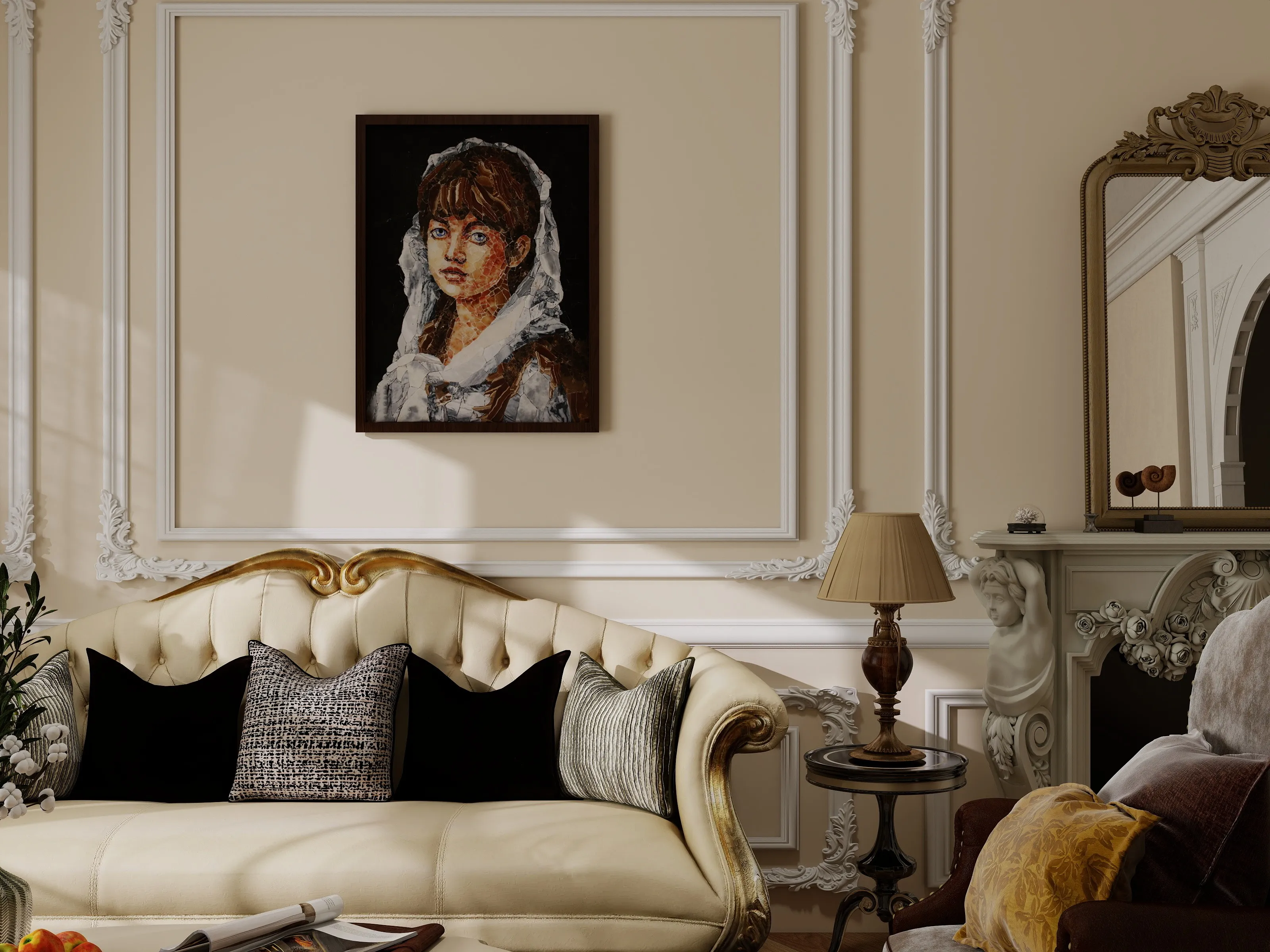
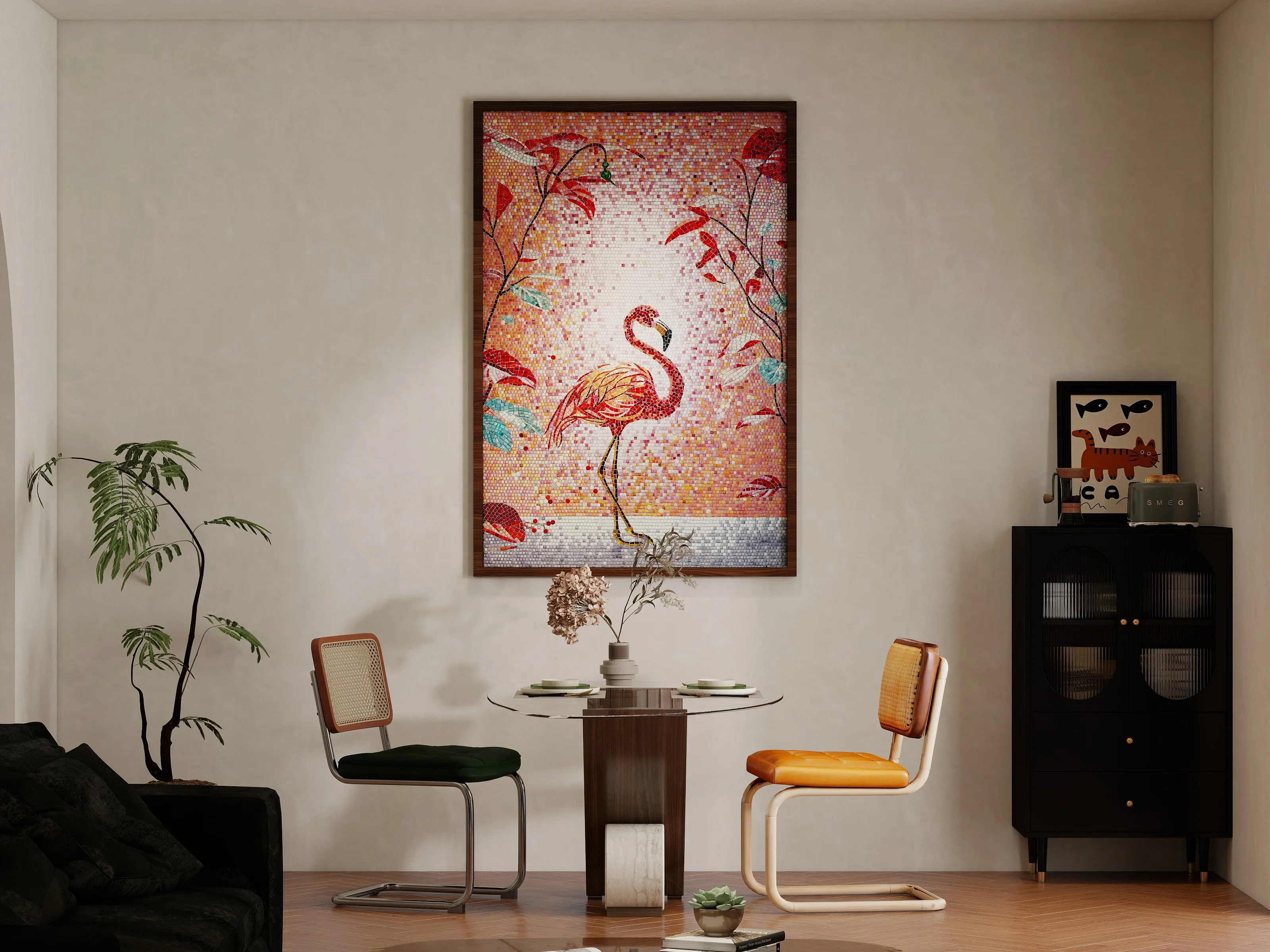
Bathroom with Custom Mosaic Art for spa-style interiors
Nov. 12, 2026

Product Categories
Related products


Golden Rhapsody centers on the visual essence of a woman poised like a dancer, capturing her posture and emotion in the fleeting moment of rotation. This design transcends mere aesthetic representation, embodying a fluid poetic spirit—a visual sonata where light, shadow, and form dance in unison. Its core philosophy is rooted in the dual themes of “vitality in rhythm” and “the radiance of womanhood.”


Contact Us
+86 137 9407 5073
Unit 113-120, Building 4, Hello ZhiGu Industrial Park,Foshan City,Guangdong Province,China
Navigation
Navigation
Solutions
Solutions
Request An Quote
Request An Quote


